
Crossrail Place Roof Garden
This indoor-outdoor garden houses plants from around the world, arranged by geographical origin along its winding paths.
Visit during early morning hours to experience the space without crowds.

Few travellers expect a financial district to double as public parkland, a dock walk and an architecture trail. This Is Canary Wharf Worth Visiting guide weighs what the One Canada Square estate offers a visitor rather than a commuter, from the West India Docks quaysides to the Crossrail Place Roof Garden. The verdict comes first, the caveats straight after.

Quick answer
Yes. Canary Wharf is worth visiting, and it costs 0 GBP: entry to the estate and its public areas is free, and those areas are open 00:00–23:59 every day of the week. The caveat is timing rather than money. Daylight flatters the architecture and the dock water, while weekday lunchtimes bring office crowds which thin once the offices empty in the evening.
Canary Wharf sits on water that once carried sugar, rum and timber. The West India Docks closed in 1980; within a decade, towers were rising on the same quaysides. Visitors who ask is Canary Wharf worth visiting are often picturing a closed office campus, which the estate has not been for years. More than 20 acres of it is parkland, garden and quayside walkway, open to anyone, with dozens of public artworks set between the banks and the brickwork of surviving dock warehouses. The estate works less like a single attraction and more like a compact quarter to be walked. One Canada Square anchors the skyline, but the detail sits at ground and dock level: Cabot Square's fountain, the timber hull of Crossrail Place Roof Garden, Middle Dock reflecting glass on a still morning. Lifts, bridges and underground malls link the levels, so the walk rarely follows the street grid. The footprint is modest and the height is not, so most of the main plazas fall within an afternoon's walk. Rhythm matters more than the map. Weekday mornings belong to commuters arriving on the Jubilee and Elizabeth lines; weekends hand the quaysides back to families, runners and anyone carrying a camera. Seen as part of a wider trail of London Docklands landmarks, the estate reads as the newest chapter in a very old working river. Readers working through a Canary Wharf visitor guide usually find that contrast is the point, not a drawback. What to do with the answer depends on appetite. Travellers drawn to modern architecture, dockside engineering and the occasional industrial relic will fill a half day without effort, and a water-level route, such as a Canary Wharf boat ride through the docks and out onto the Thames, reframes the towers from below. Anyone hunting medieval lanes, major museums or silence will do better elsewhere in the capital. Autumn trips need one adjustment: by October the usable daylight narrows, and the estate's floodlighting takes over earlier each week, which changes what a camera can hold. Set against the timing, highlights and access notes that follow, the question is Canary Wharf worth visiting resolves into something practical: a free, walkable district that rewards a planned couple of hours and punishes an aimless one.
“Rhythm matters more than the map: weekday mornings belong to the commuters, weekends hand the quaysides back.”
The best time to visit Canary Wharf depends on whether you prefer the high-energy pulse of a global business hub or a calmer, more relaxed atmosphere. Visiting during daylight hours is ideal for viewing the architecture and waterfront vistas.
—
The district operates at its maximum capacity with commuters and office activity. It is the most active period to observe the area's professional rhythm.
—
The estate becomes significantly quieter, providing more space to explore public areas and art installations. This is preferable for those seeking a more subdued environment.
Mild to warm 15°C–25°C
Warmer weather allows for comfortable outdoor walking and enjoyment of the green spaces along the water. Public areas are often more lively during these months.
Verdict: For a balance of energy and accessibility, visit on a weekday morning during the shoulder months of May or September.
Canary Wharf features a high concentration of modern architectural landmarks and integrated public green spaces. Visitors often navigate between these prominent sites to observe the contrast between glass skyscrapers and curated nature.
This indoor-outdoor garden houses plants from around the world, arranged by geographical origin along its winding paths.
Visit during early morning hours to experience the space without crowds.
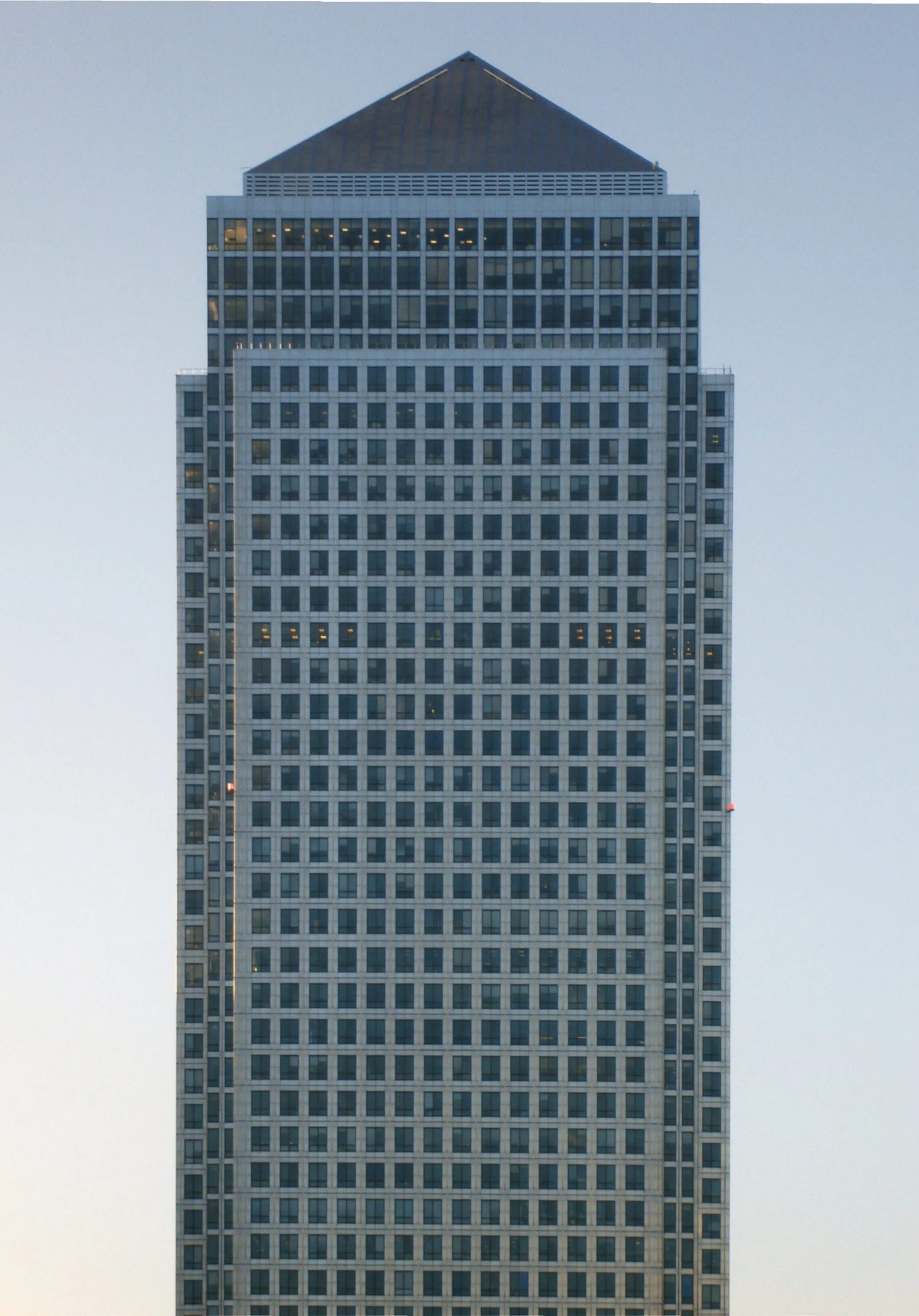
As the most iconic building in the district, this 50-story tower serves as the focal point of the skyline.
View from the base looking up to appreciate the geometric facade.

Located directly above the Jubilee line station, this park provides a quiet, elevated vantage point among the towers.
Walk the perimeter paths for direct views of surrounding corporate architecture.
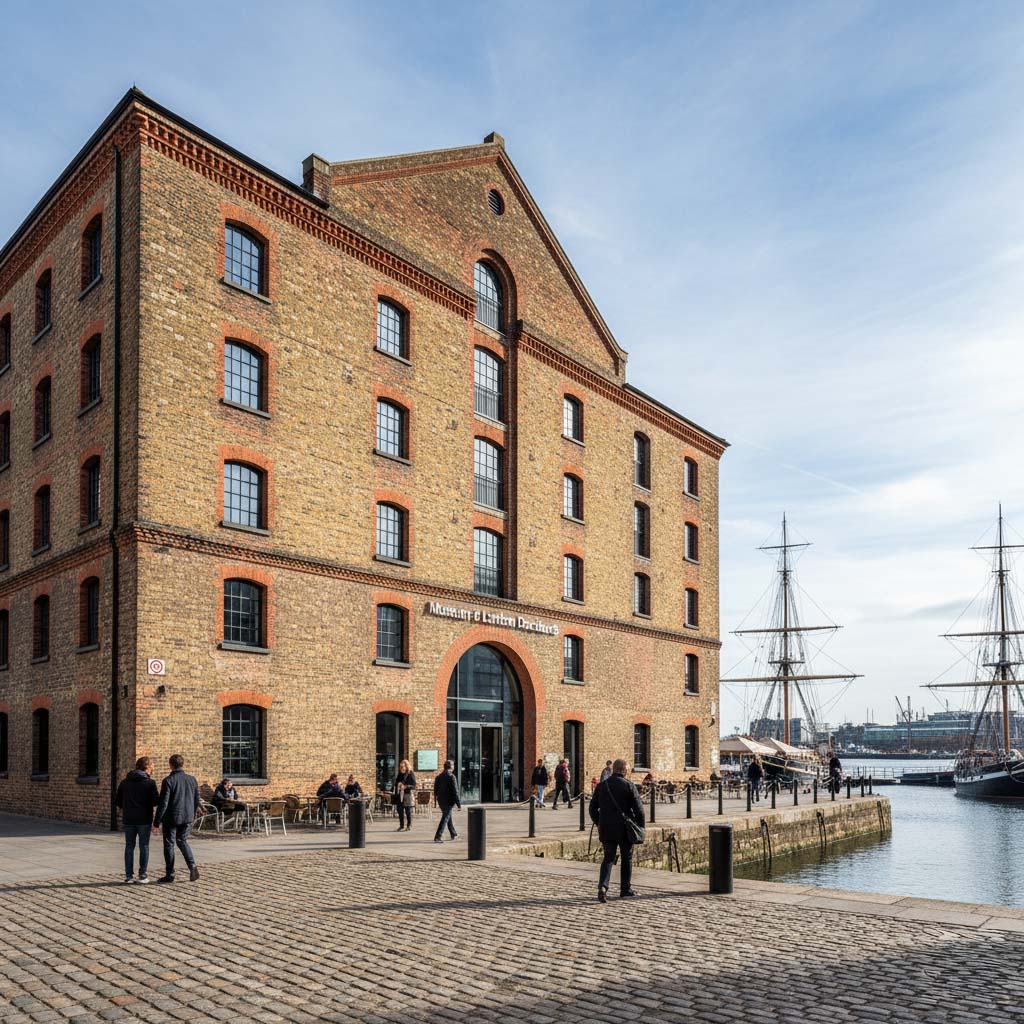
Housed in a historic warehouse, this museum documents the evolution of the River Thames and the surrounding trade history.
Check the permanent galleries for detailed scale models of the area.
Canary Wharf is located in London's Docklands and benefits from extensive transport infrastructure, making it highly accessible from across the city. The most efficient approach for most visitors is via rail or river transport.
Elizabeth Line to Canary Wharf station
DLR to Canary Wharf DLR station
Uber Boat by Thames Clippers to Canary Wharf Pier
Footpath via Thames Path
For the best arrival experience, use the Elizabeth Line station, which features a prominent ticket hall and direct access to the estate. If arriving by boat, the pier is located on the north bank of the Thames, just a short walk from the central shopping areas.
Canary Wharf serves as a convenient base for exploring London's maritime history and riverside paths. Combining a visit here with neighboring cultural sites creates a balanced day of modern architecture and historical discovery.
5 min walk
Located in a historic warehouse, this museum details the trade and development of the River Thames. It complements a visit by providing essential context to the modern skyline.
15 min walk
This 32-acre site offers green space and views of the surrounding financial district. It provides a quiet contrast to the high-density environment of the estate.
20 min walk
This tunnel allows pedestrians to cross beneath the Thames to reach the historic Greenwich area. It creates a logical connection for those planning to explore wider riverside landmarks.
Everything you need to know about is canary wharf worth visiting
Many travelers find that is Canary Wharf worth visiting due to its blend of modern skyscrapers, public art, and waterside paths. The district offers a sharp contrast to historic London landmarks, making it a unique destination for those interested in contemporary urban architecture. It provides a serene atmosphere away from the traditional city center, proving that is Canary Wharf worth visiting for a different perspective of the capital.
Since the estate is a public area open 24/7, the best arrival window is 00:00–23:59. Visiting during daylight hours allows you to best appreciate the glass towers, the Crossrail Place Roof Garden, and the various sculptures scattered throughout the estate. Many guests find that is Canary Wharf worth visiting during the day to fully enjoy the riverside views and outdoor public spaces.
Entry to the estate and public areas is 0 GBP. This makes exploring the architectural highlights and public parks a cost-effective option for anyone planning a London itinerary, confirming that is Canary Wharf worth visiting even on a strict budget.
The estate operates with opening hours of 00:00–23:59 every day, including weekends and public holidays. Visitors are free to walk through the plazas and along the docks at any hour, though most commercial amenities operate on standard business schedules.
Most visitors spend between two to four hours exploring the area, including time for a meal or a leisurely walk along the Thames. This duration is usually sufficient to see the major skyscrapers and the nearby green spaces. If you are debating if is Canary Wharf worth visiting for a full day, consider combining your walk with a boat ride for a complete experience.
The area is pedestrian-friendly, featuring wide walkways, quiet plazas, and several parks that are suitable for families. While it is a major financial hub, the lack of traffic on many walkways makes it a safe environment for visitors with children.
The estate is well-connected by the Elizabeth line, DLR, and London Underground, making it accessible from central London. For an alternative perspective, many guests choose to arrive by a river boat service, which offers views of the London skyline before docking at the estate.